OUR RESEARCH
Microbial ecology
and microbiome research.
We ask how microbiomes are assembled, what their members do and how their interactions change across environments. Our work links fundamental microbial ecology with questions in agriculture and health.
WHAT WE INVESTIGATE
Research areas
Soil microbiomes
Life below the surface.
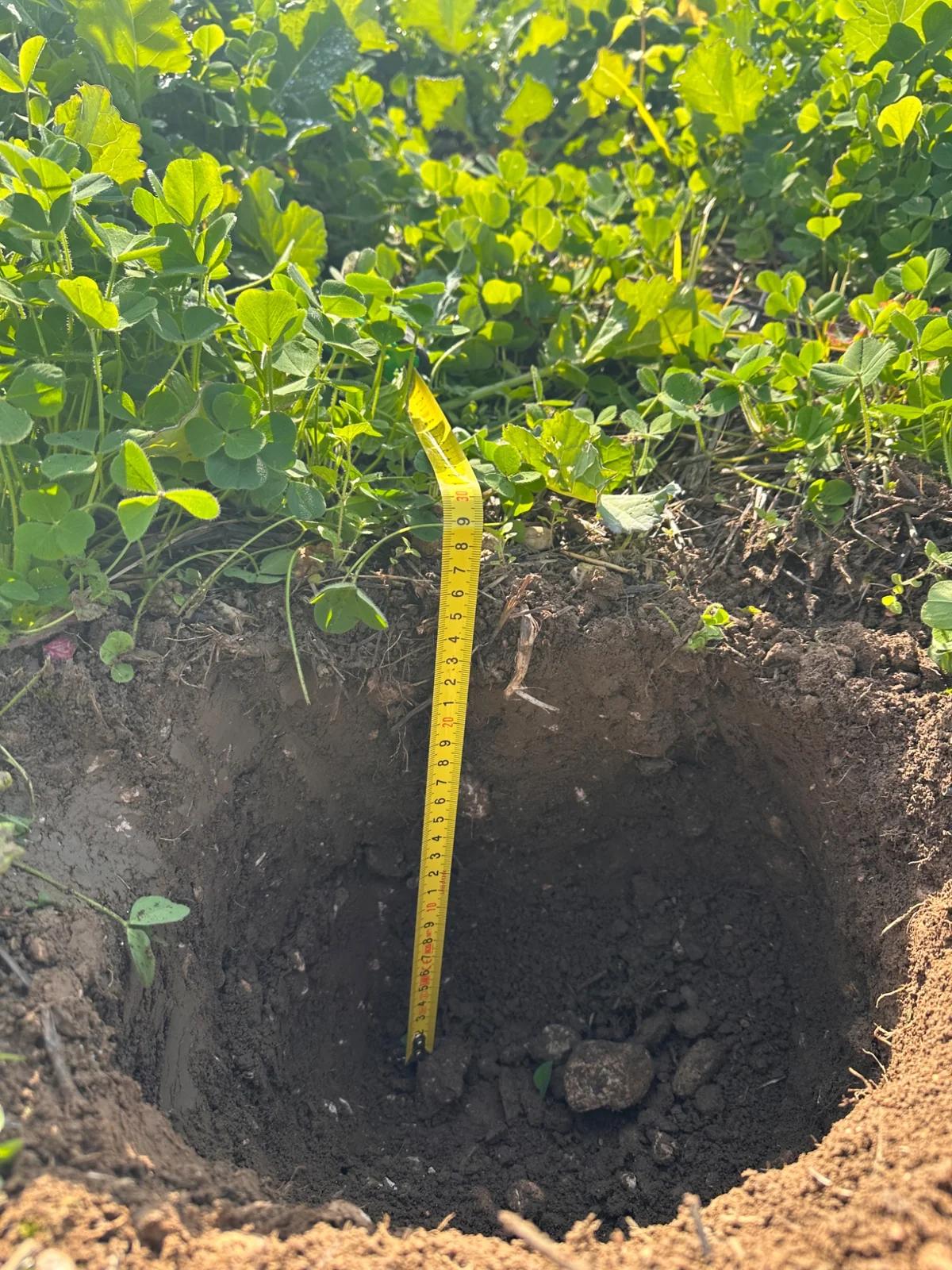
We investigate how soil properties and agricultural management shape microbial communities and their functions. In long-term field experiments, we track management effects over time and across soil depths, linking microbiome changes with nutrient cycling and soil health.
Through the Slovenian Soil Microbiome Atlas, we map microbial diversity across arable soils and connect it with soil properties and management histories. Within CARBON 4 SOIL QUALITY+ (C4SQ+), we investigate carbon farming techniques and their impacts on soil microbiomes.
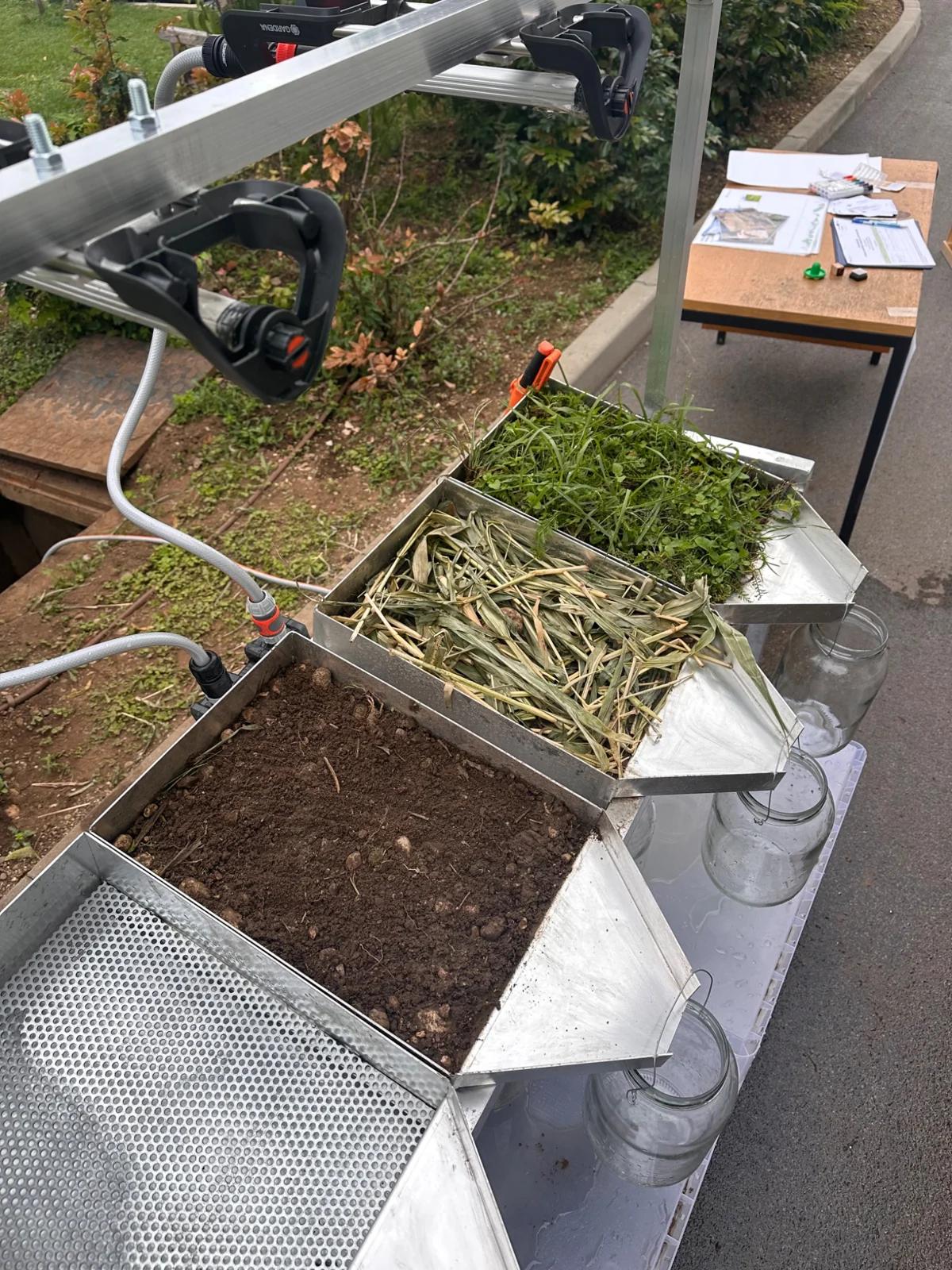
Complementary work on ammonia-oxidising archaea and bacteria examines how soil structure and aggregate size relate to microbial distributions.
How do management practices shape microbial communities and functions across soil depth and time?
Plant–microbe interactions
Resilience starts with relationships.
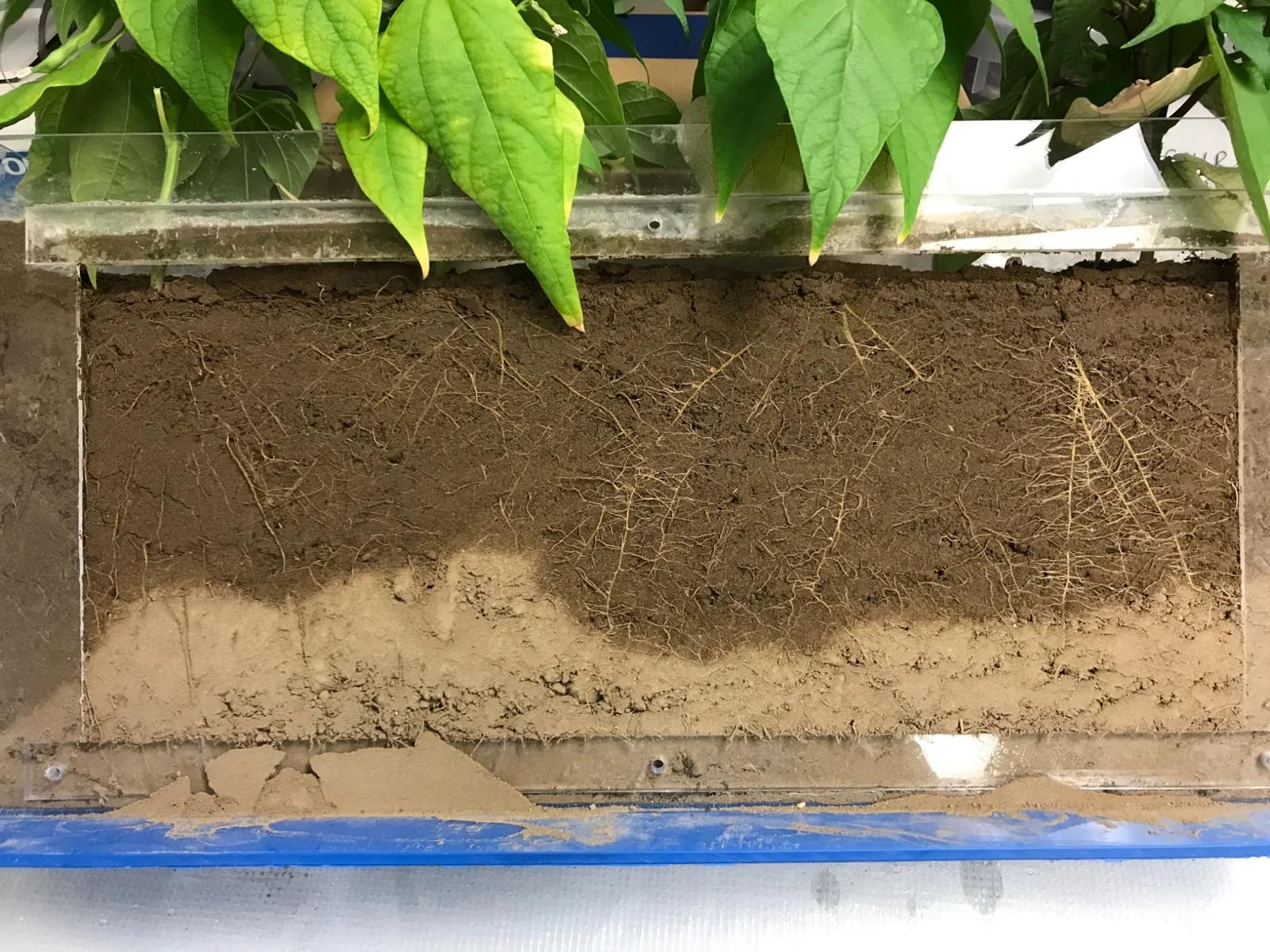
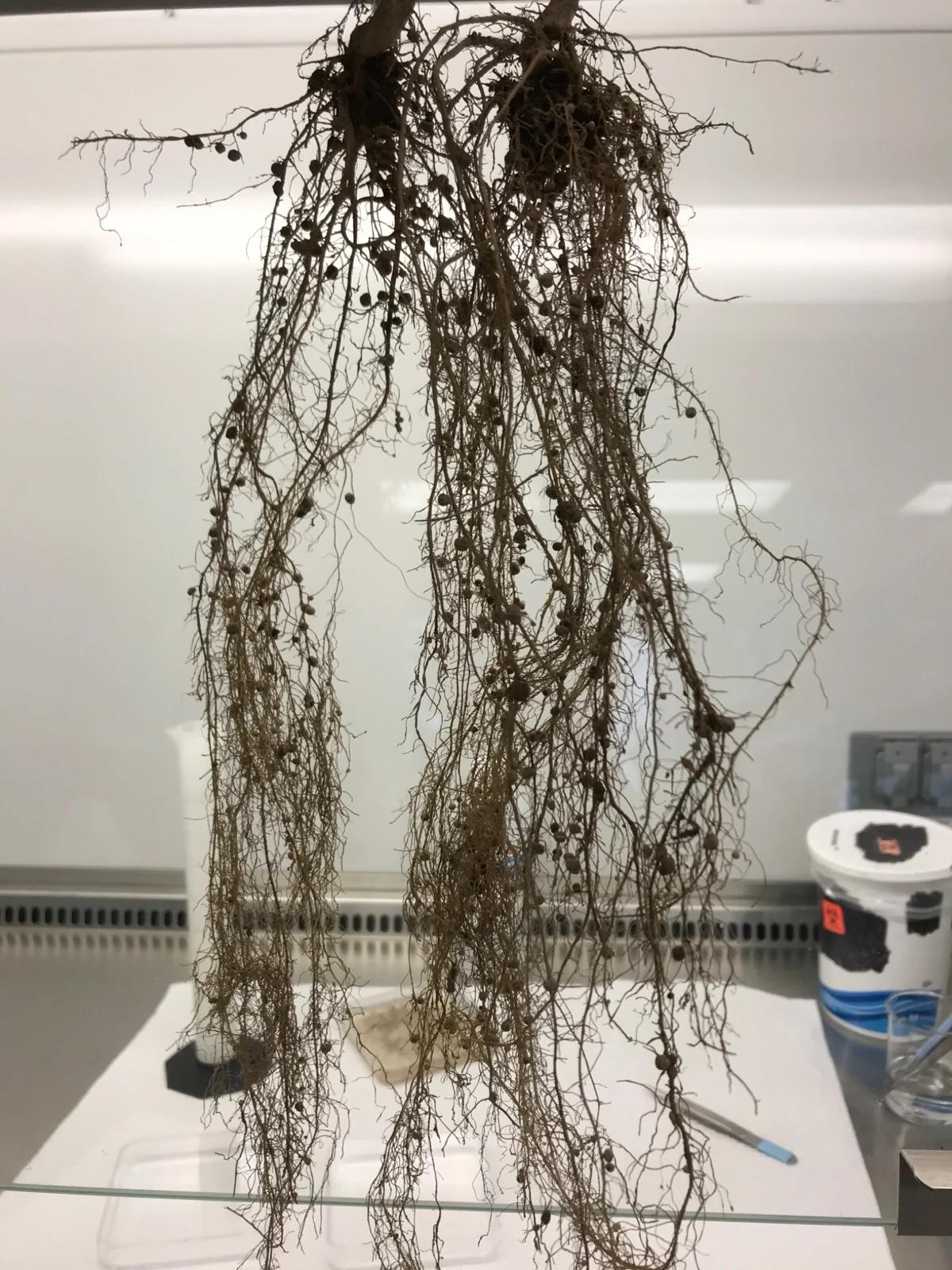
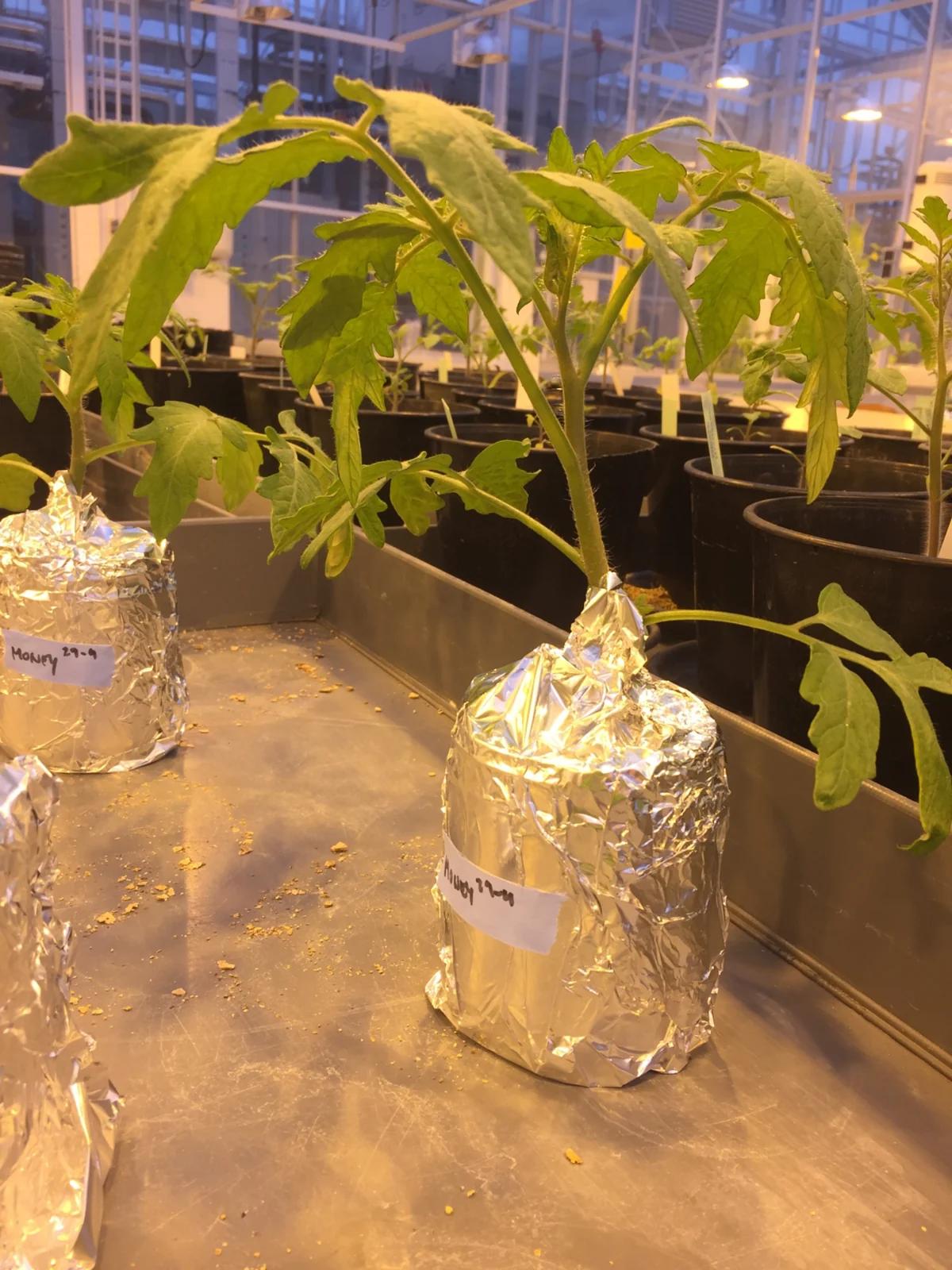
Using wheat, tomato and common bean, we investigate plant–microbe interactions, their drivers and their consequences for plant performance. We explore how plant genotype, domestication, development and environmental stress shape root-associated microbiomes, combining microbiome profiling with plant measurements and controlled experiments.
A key future direction is to develop microbiome-mediated plant breeding programmes: integrating plant genetics with the recruitment and functions of beneficial microbes to support crop resilience. This builds on a fundamental understanding of how plants and their microbial partners influence one another.
How can plant–microbe ecology inform microbiome-mediated breeding for resilient crops?
Microbial interactions & evolution
From communities to mechanisms.
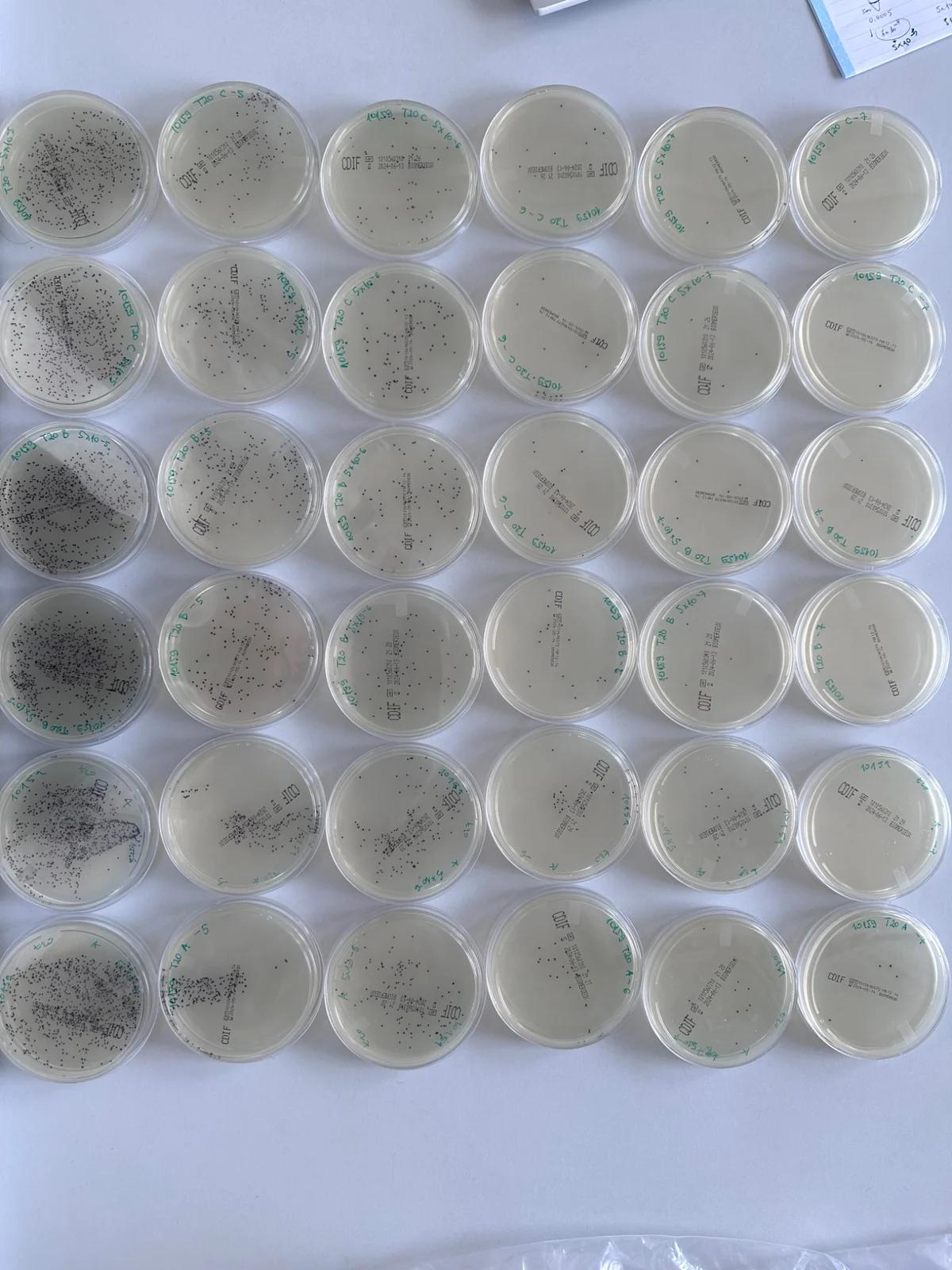
Synthetic communities let us test ecological ideas in simplified, controlled systems. Cultivation and experimental approaches help us investigate cooperation, competition and adaptation, connecting community patterns with the behaviour of individual organisms.
When do microbial partners cooperate, compete or change one another’s ecological roles?
Environmental microbiology & One Health
Following microbes across boundaries.
Our NLZOH-associated work includes the ecology and genomics of Clostridioides difficile, host-associated microbes and antimicrobial resistance (AMR). Environmental and genomic approaches help us understand microbial diversity and connect agricultural, environmental and health questions.
A further research direction will examine how agricultural management practices shape the soil resistome—the collective set of antimicrobial resistance genes—and influence the persistence and spread of AMR. Long-term field experiments provide a basis for investigating these effects in the context of management history.
How do management practices influence soil resistomes and the persistence and spread of antimicrobial resistance?
HOW WE INVESTIGATE
Methods & capabilities
HOW WE WORK
One question. Several ways to investigate it.
Observe
Field sampling, soil properties, management histories and plant phenotypes.
Characterise
16S rRNA and ITS amplicon sequencing, shotgun metagenomics, metabolomics and microbial cultivation.
Test
Controlled experiments, candidate isolates and synthetic communities.
Integrate
Bioinformatics and ecological analysis to connect organisms with context.
SOIL STRUCTURE & SAMPLING
Connecting physical structure with microbial ecology.
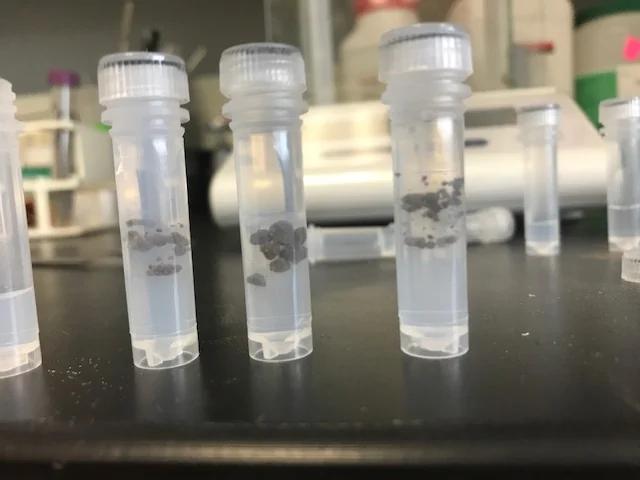
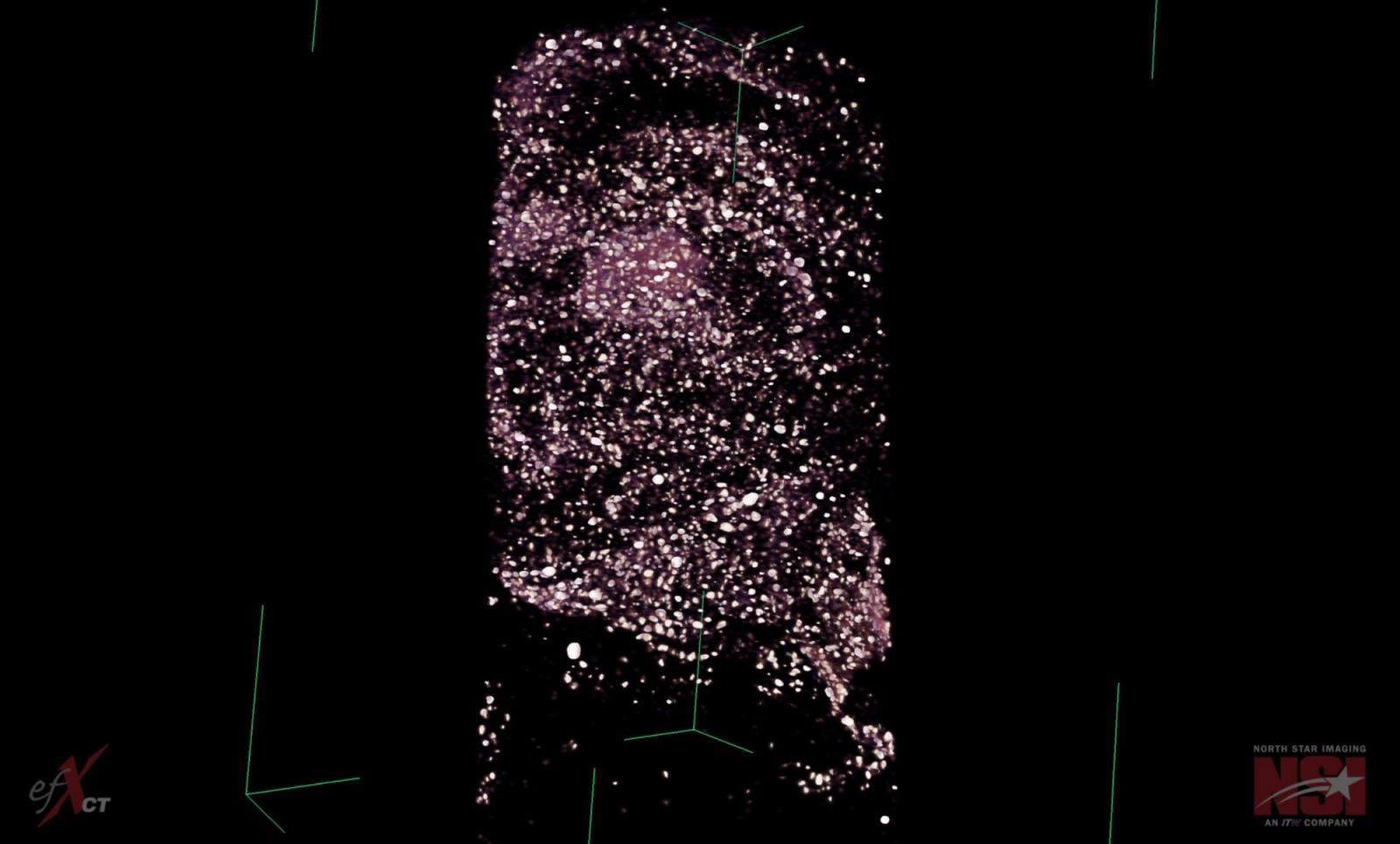
Soil aggregates embedded in agarose are used for surface-area measurements with micro-CT X-ray imaging. These images document work conducted at Michigan State University.
SEQUENCING & ANALYSIS
Sequencing & bioinformatics
From samples to ecological insight.
We connect microbiome sequencing with microbial cultivation, plant measurements, field experiments and bioinformatics. Our focus is collaborative research on soil microbiomes, plant microbiomes, soil health and One Health.
Amplicon sequencing
Bacterial and fungal community profiling.
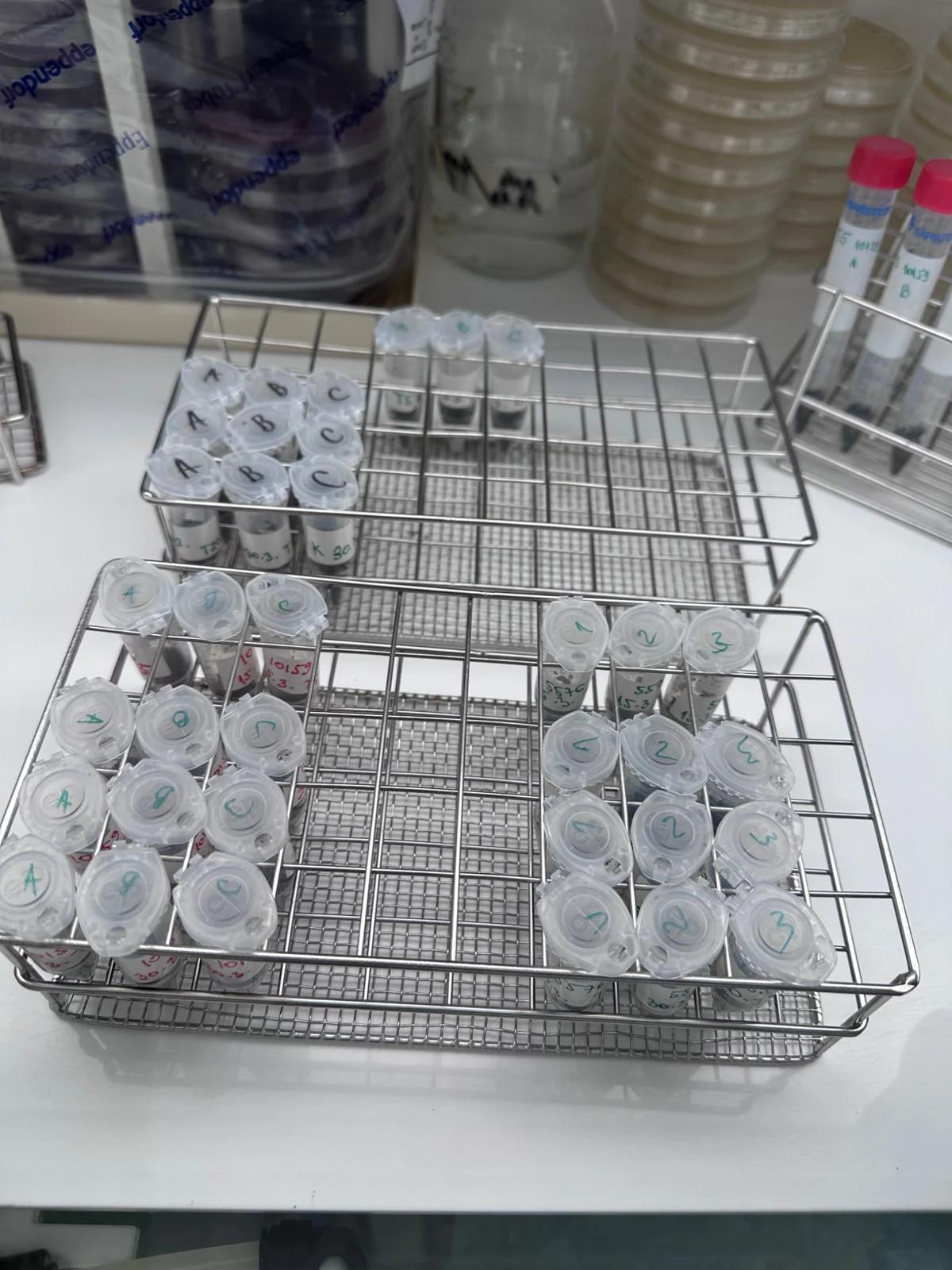
We use 16S rRNA gene amplicon sequencing to study bacterial and archaeal communities, and ITS amplicon sequencing to investigate fungi. Sample design, controls, metadata and processing decisions are considered together so that community profiles can be interpreted in their ecological context.
Applications include soil microbiome comparisons, root-associated communities, plant genotype and management effects, and changes across time and soil depth.
What changes in community composition—and how does that relate to the environment?
Shotgun metagenomics
Connecting community members with genetic potential.
Shotgun metagenomics supports questions about microbial genomes, functional potential and antimicrobial resistance genes. Depending on the research question, analyses can connect taxonomic profiles, assemblies, functional annotations and comparative genomics.
We welcome partners who can connect microbiome datasets with complementary measurements, experiments or analytical expertise.
Which genetic functions are present, and what experiments can test their ecological roles?
Microbiome bioinformatics
Reproducible analysis, grounded in the question.
We work with amplicon and metagenomic data to investigate diversity, community composition, ecological drivers and functional potential. Our approach emphasises documented workflows, appropriate statistical design and the integration of environmental, management and plant data.
Opportunities for collaboration include cross-dataset comparisons, pipeline development, genomic analysis and linking microbial patterns with field or experimental outcomes.
How can sequencing data explain the biology behind the pattern?
COMPLEMENTARY EXPERTISE
Design the research
together.
We welcome collaborations on sampling design, microbial community profiling and data analysis. Sequencing arrangements and specialist partners are defined within each project.
We are particularly interested in research proposals and joint studies that combine our samples and data with complementary methods.